A Thirty-Year Journey
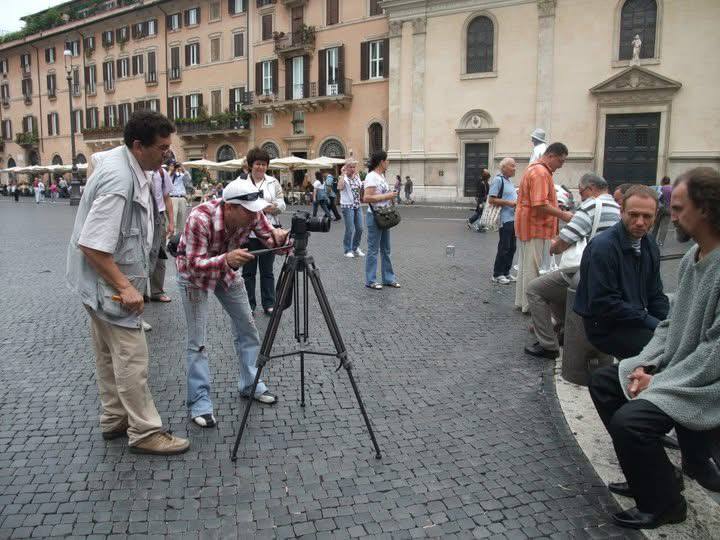
From Vision to Reality The idea for this film was born in the 1970s. I dreamed of adapting Yuri Trifonov’s short story, The Death of Pigeons. It seemed like it would be a simple, low-budget project, but the road to its completion stretched across decades. More than thirty years passed before I finally brought this vision to life. It was my first serious feature film, starring professional actors, including my close friend and film star Eduard Flyorov.
Crimean Cliffs and Trials Filming in Balaklava was a true test. On one hand, we had the breathtaking beauty of wild beaches; on the other, Eduard’s overwhelming popularity. Fans constantly swarmed him for autographs, making it nearly impossible to stay on schedule. Nature had its own plans too: we rented boats, only to find the bay completely closed off that day. To top it all off, I managed to break my toe right on set but kept directing through the pain.
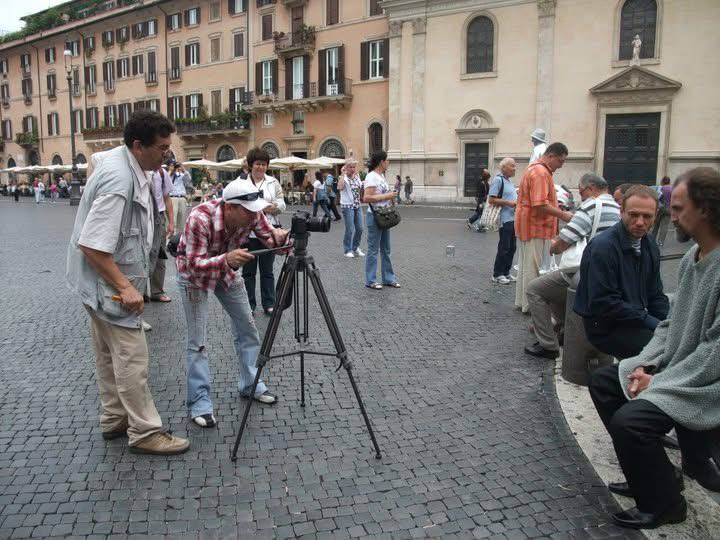
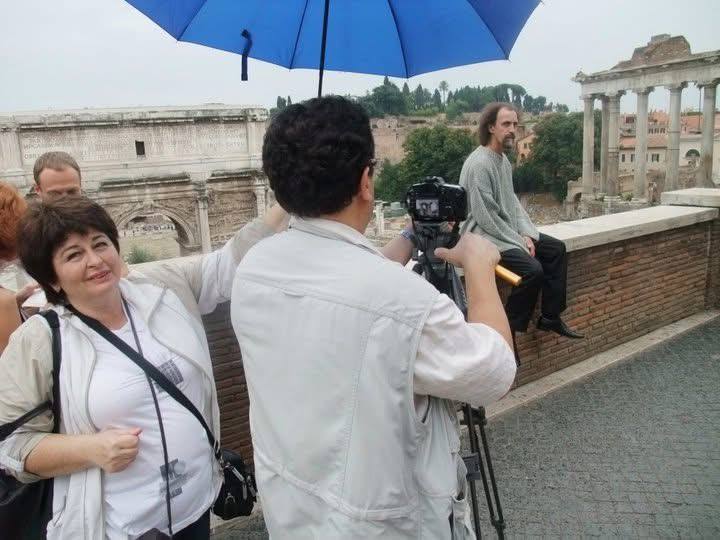
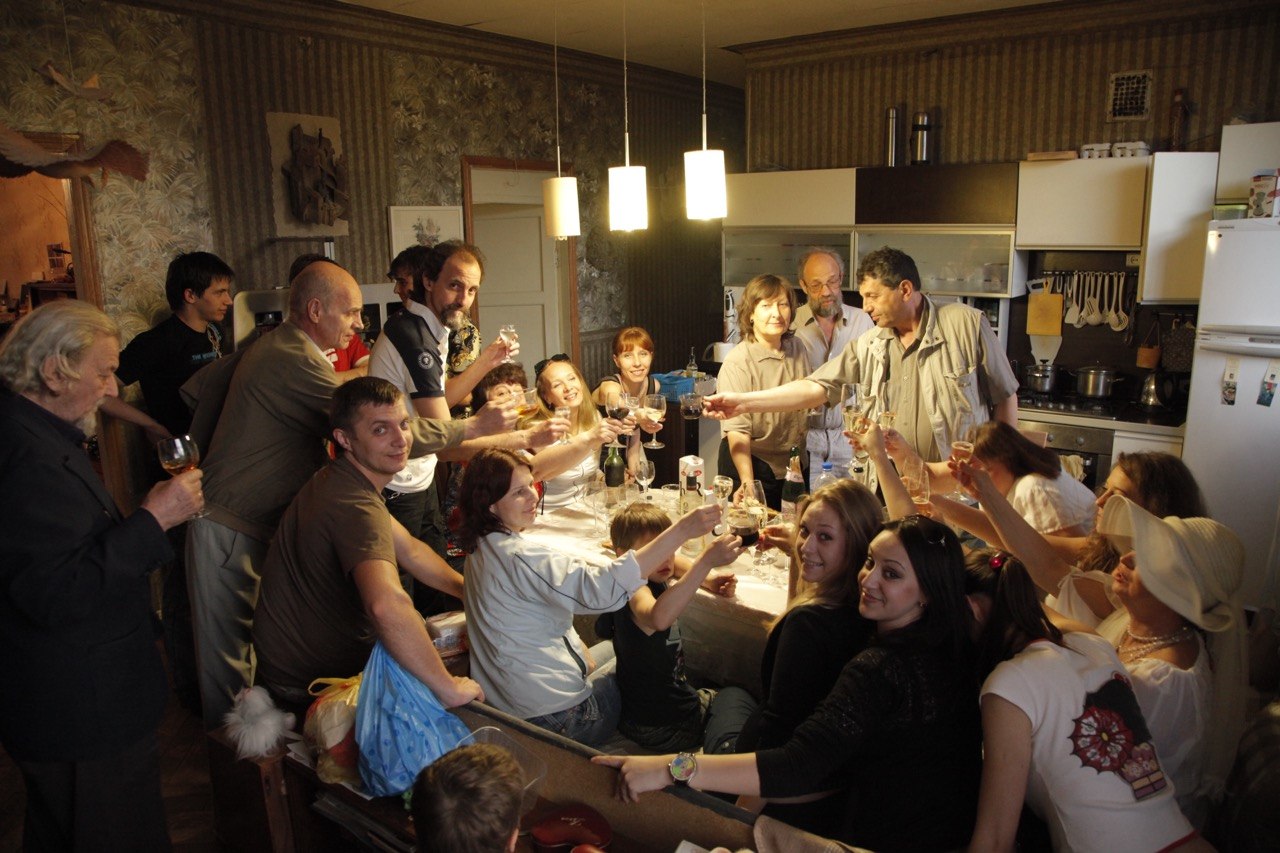
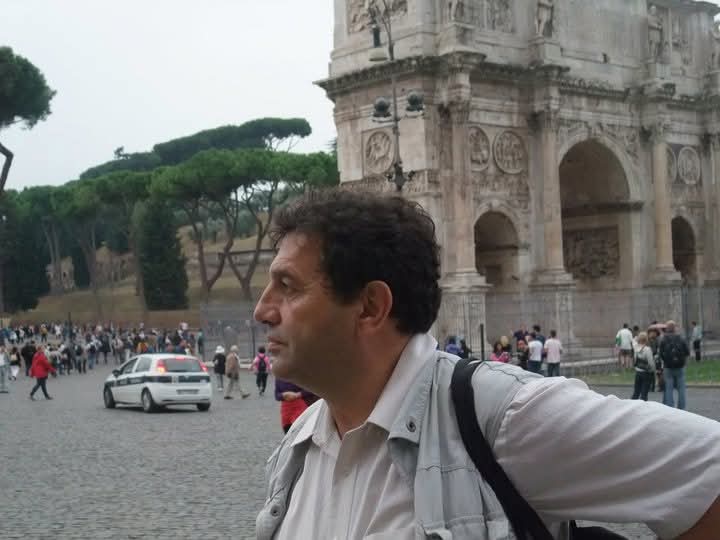
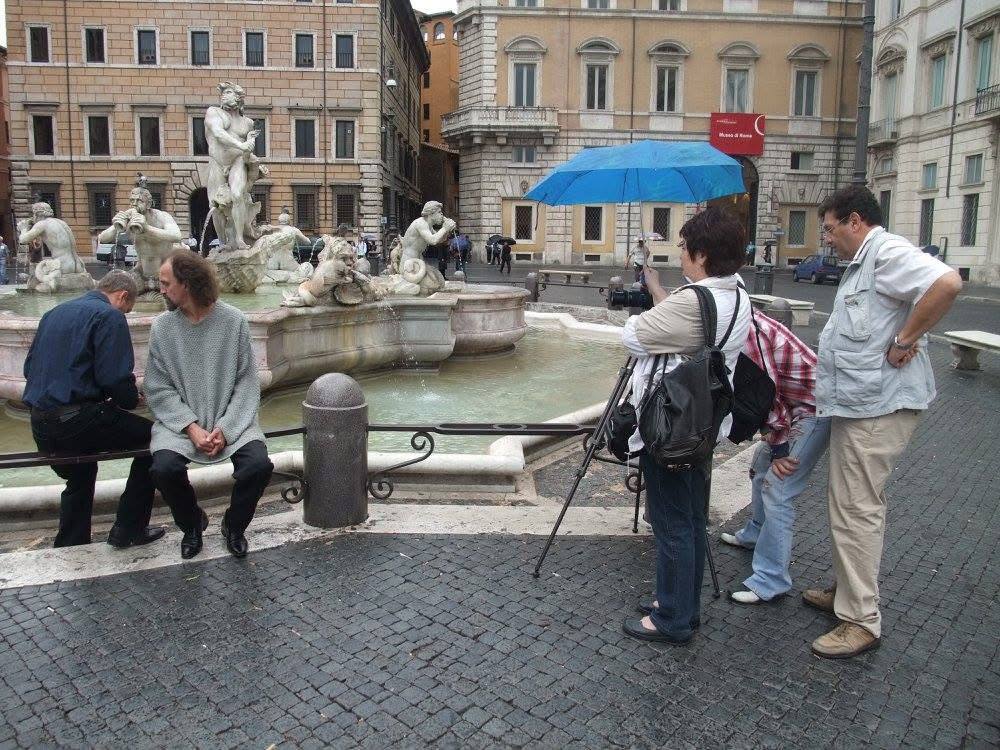
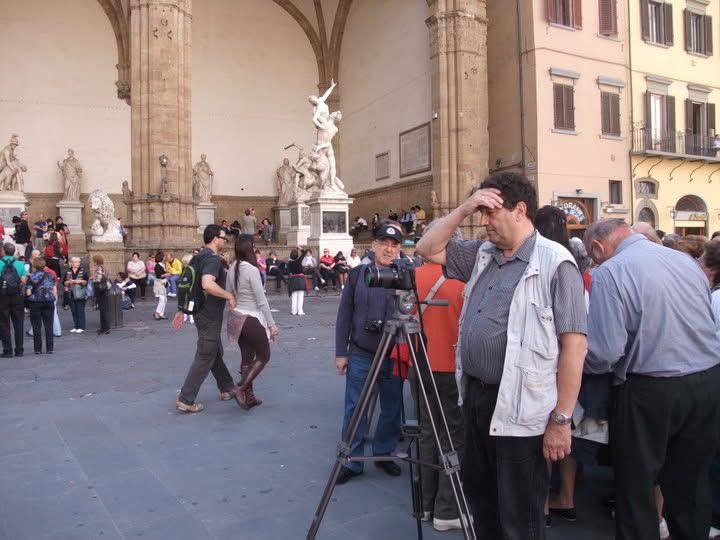
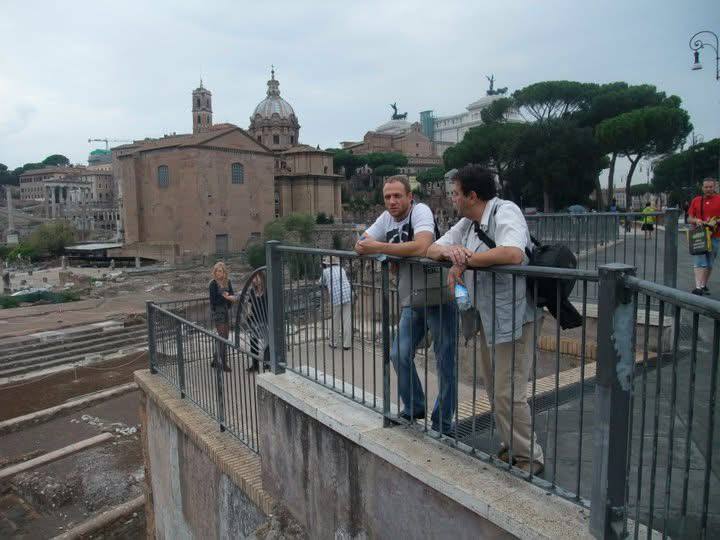
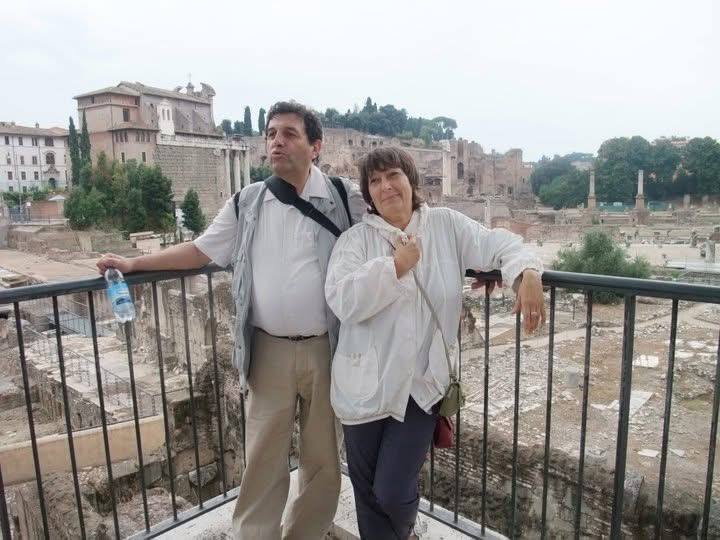
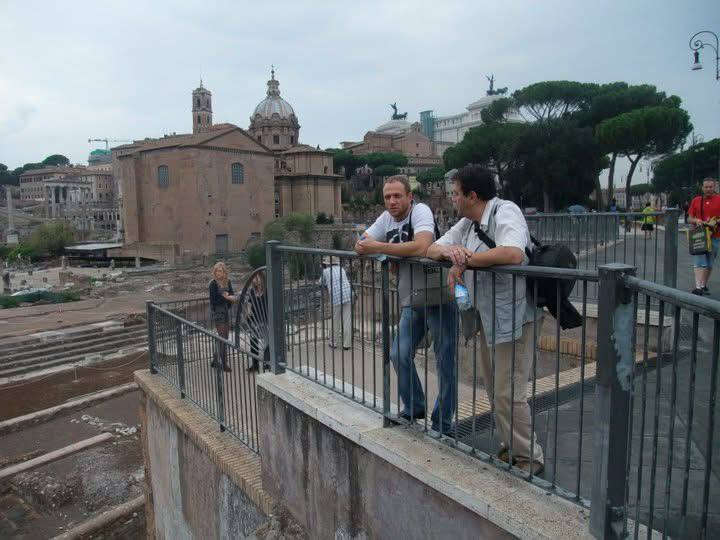
Italian Road Movie and the Race Against Time For just two minutes of screen time, we traveled across Italy in two rented cars. It was 2010, and GPS was far from reliable. We got lost in a downpour, and at one point on the autobahn, we accidentally ended up driving into oncoming traffic. We were hitting 160 km/h just to make our flight. At the airport, facing baggage weight limits, I stuffed heavy lenses into my jacket pockets. My friends, Misha Ozerov and Alyona, were forced to pour out the wine they were bringing to Ukraine to celebrate their son Yakov’s 10th birthday—they were unaware of the liquid restrictions. Yasha was only ten years old back then…
Epilogue When we finally collapsed into our airplane seats, I called my son-in-law in Kyiv: “Meet us with a large bottle of vodka.” And there it was—nighttime, celebrating on the hood of the car, grateful to have survived and brought the footage home. Many years have passed. Today, my friend Misha Ozerov and that same boy who was only ten back then are defending Ukraine with weapons in their hands.
The Secret of the Red Sharovary and Childhood Tears. I included a couple of personal stories in this film. One of them is about sharovary (traditional baggy trousers). As many know, after WWII — likely to appease the newly annexed Ukrainian territories — there was a certain flourishing of all things Ukrainian. Perhaps the First Secretary of the Communist Party of Ukraine, Petro Shelest, contributed to this. Vyshyvankas (embroidered shirts) were in fashion all across Ukraine. Back then, in the kindergarten I attended, we were preparing for a holiday and practicing the Hopak. My teacher told me I danced better than anyone and would be the soloist.
Naturally, as always happens, our mothers were tasked with sewing sharovary for the boys. Any woman could handle it — three elastic bands and you’re done. They used the cheapest lining fabric, sarge. Our performance was set to be broadcast by the newly born Ukrainian television. On the big day, all the boys, including me, arrived in brown sarge trousers, but Vovochka Bondarenko was brought in in bright red, silk-satin sharovary. Right then, I knew exactly who the soloist was going to be.
Fifty years later, Volodya became a very famous designer. As my wife used to say, Volodya was a true designer even back when the word didn’t even exist in the USSR. We became friends, and I asked his permission to use his real name in the film; he agreed. But when the story of this kindergarten episode spread among the city’s creative intelligentsia, Volodya asked why I was telling everyone. To which I replied: “One must answer for childhood tears.”
The General’s Salute and the Honor of Officers. And one more story. While I was serving in the army as a Senior Lieutenant in the Air Defense Forces, we had our annual live-fire trials—actual missile launches at flying targets. Besides the firing drills, we also had to pass exams on technical knowledge. These exams took place in a military town. It so happened that our colleagues from the GDR (East German) army were undergoing similar trials alongside us.
One day, three of us senior lieutenants found ourselves on a walkway leading to a bus stop. At the other end of the walkway stood a German general who needed to walk in the opposite direction—towards us. We were set to pass each other. It must be noted, the general was no ordinary officer. First, he was grey-haired (keep in mind, this was only 1979), and he had so many ribbon bars they covered half his chest. Jubilee medals alone wouldn’t have been enough to fill that space. It was clear he had fought in World War II, and obviously, on which side.
An argument broke out among us Soviet officers: should we salute him? I insisted that, as true officers, we were duty-bound to do so. The distance between us was about 50 meters. The general couldn’t have heard our dispute, but the tension was palpable on both sides. He seemed to be waiting for something, standing still even though he also needed to move down the path.
And so, we started walking. Immediately after us, the general also began moving toward us. A few paces before the encounter, as protocol dictates, I gave the command: “Comrade officers!” We snapped into a perfect march, turned our heads to the right toward him, and saluted. Half a second later, the general also broke into a goose-step. He kicked his legs with such precision that the guards at Lenin’s Tomb would have been envious. His face radiated happiness—a happiness so immense that I remember his expression to this day.
I decided to include these two episodes in the film. Otherwise, how would anyone ever know.
📸